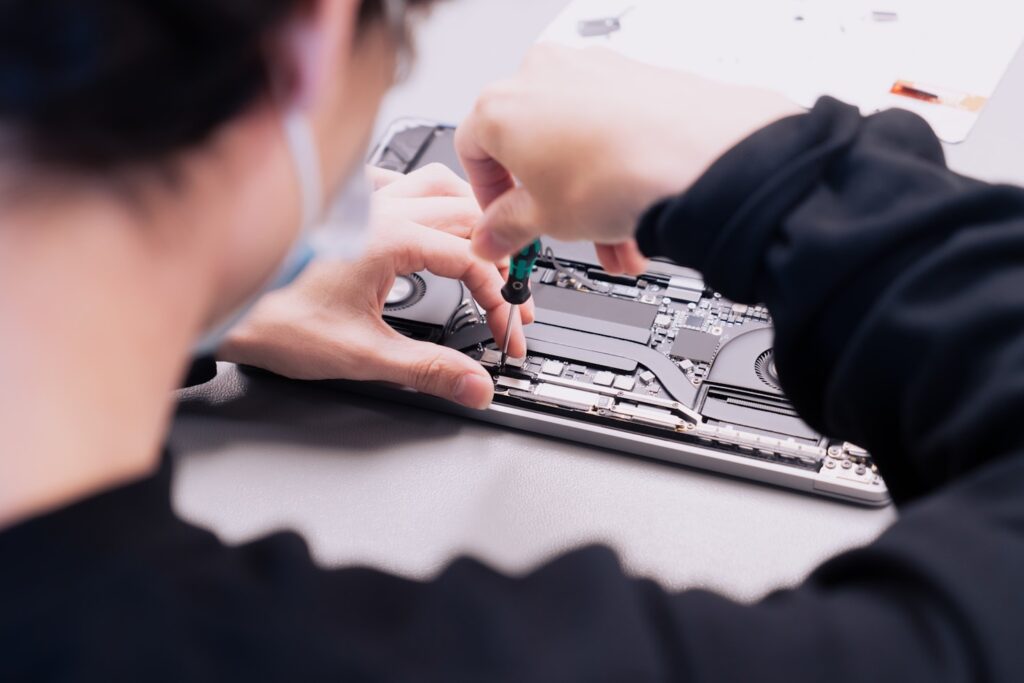
The Blue Screen of Death (BSOD) is one of the most alarming things that can happen to a Windows user. That blue screen with white text and a sad face means Windows has encountered a critical error it cannot recover from. But don’t panic — most BSOD errors are fixable. This comprehensive guide walks you through every step to diagnose and permanently fix Blue Screen of Death errors on Windows 10 and Windows 11.
What Is a Blue Screen of Death (BSOD)?
A BSOD (Blue Screen of Death) is a critical system error that forces Windows to stop completely to prevent damage to your computer. It’s also known as a “stop error” or “bugcheck.” When a BSOD occurs, Windows creates a crash dump file and restarts. The stop code displayed on the screen — like MEMORY_MANAGEMENT, DRIVER_IRQL_NOT_LESS_OR_EQUAL, or CRITICAL_PROCESS_DIED — is your clue to the underlying cause.
Common BSOD Error Codes and What They Mean
Different stop codes point to different problems. MEMORY_MANAGEMENT indicates RAM errors. DRIVER_IRQL_NOT_LESS_OR_EQUAL points to a faulty driver. CRITICAL_PROCESS_DIED means a core Windows process failed. SYSTEM_SERVICE_EXCEPTION often signals driver or software conflicts. PAGE_FAULT_IN_NONPAGED_AREA typically means bad RAM or a driver bug. Note your stop code — it will guide your troubleshooting.
How to Fix the Blue Screen of Death on Windows
Step 1: Note the Stop Code and Restart
Write down or photograph the stop code shown on the BSOD screen. After Windows restarts, search for that specific stop code online to find targeted fixes. If your PC restarts automatically, you can find the error code in the Event Viewer under Windows Logs → System — look for critical errors with source “BugCheck.”
Step 2: Update or Roll Back Device Drivers
Faulty drivers are the leading cause of BSODs. If the BSOD started after installing a new device or driver update, roll back the driver: open Device Manager, expand the relevant category (especially Display adapters, Network adapters), right-click the device, choose Properties → Driver tab → Roll Back Driver. If no recent driver change triggered it, update all drivers — especially the graphics driver — by visiting the manufacturer’s website.
Step 3: Run Windows Memory Diagnostic
Bad RAM is a very common BSOD cause. Press Windows + R, type mdsched.exe, and press Enter. Choose “Restart now and check for problems.” Windows will restart and run a thorough memory test. If errors are found, you may need to replace one or more RAM sticks. For a deeper test, use the free tool MemTest86 which runs outside of Windows.
Step 4: Check for Hard Drive Errors
A failing hard drive or corrupted drive sectors can cause BSODs. Open Command Prompt as Administrator and run: chkdsk C: /f /r /x. Press Y when prompted to schedule the check on next restart. Restart your PC and let chkdsk run — it will find and repair bad sectors. If errors are found frequently, your drive may need replacement.
Step 5: Run System File Checker (SFC) and DISM
Corrupted Windows system files can trigger BSODs. Open Command Prompt as Administrator and run sfc /scannow. Wait for it to complete. If it finds errors it can’t fix, also run: DISM /Online /Cleanup-Image /RestoreHealth. These tools repair the Windows installation and often resolve BSOD errors related to system file corruption.
Step 6: Check for Overheating
Overheating CPUs and GPUs frequently trigger emergency shutdowns that appear as BSODs. Download HWiNFO or Core Temp to monitor your temperatures. Under normal load, CPU temperatures should stay below 85°C and GPUs below 90°C. If your system is overheating, clean out dust from vents and fans, reapply thermal paste if needed, and ensure adequate airflow.
Step 7: Uninstall Recently Installed Software
If BSODs started after installing new software, that application may be the culprit. Go to Settings → Apps → Installed apps, sort by install date, and uninstall anything installed around the time the BSODs began. Antivirus software, system utilities, and overclocking tools are frequent BSOD triggers.
Step 8: Perform a System Restore
If BSODs started recently and you have a restore point from before the issue, you can roll Windows back. Search for “Create a restore point” in the Start menu, click System Restore, and choose a restore point from before the crashes started. This reverts system files and drivers without affecting personal files.
Step 9: Analyze the Crash Dump File
Windows saves detailed crash dump files every time a BSOD occurs. You can analyze these with WhoCrashed (free tool) or WinDbg. These tools read the dump file and often identify the exact driver or process that caused the crash, giving you a specific fix target.
BSOD Fix Checklist
- Note the stop code from the BSOD screen
- Update or roll back device drivers (especially GPU drivers)
- Run Windows Memory Diagnostic to test RAM
- Run chkdsk to check for hard drive errors
- Run sfc /scannow and DISM to repair system files
- Monitor temperatures for overheating
- Uninstall recently added software
- Perform a System Restore if needed
- Analyze crash dump files with WhoCrashed
Frequently Asked Questions (FAQ)
Is a BSOD dangerous for my computer?
A BSOD itself doesn’t damage your hardware, but it indicates something is wrong that needs fixing. If left unaddressed, the underlying cause (like bad RAM or a failing hard drive) could lead to data loss. Address the root cause as soon as possible.
What if I get different BSOD error codes each time?
Multiple different stop codes usually point to hardware problems — most commonly faulty RAM or a failing hard drive. Run the Windows Memory Diagnostic and chkdsk as priority steps when you see random, varied stop codes.
Should I factory reset Windows to fix BSODs?
Only as a last resort. Try all the troubleshooting steps above first. If nothing works, you can reset Windows via Settings → System → Recovery → Reset this PC. Choose “Keep my files” to preserve personal data. If BSODs continue after a reset, the issue is hardware-related, not software.
Experiencing a specific BSOD stop code? Leave a comment with your error code and we’ll help you find the exact fix. Fixing IT Issues Simplified is here to help you get your Windows PC stable again.