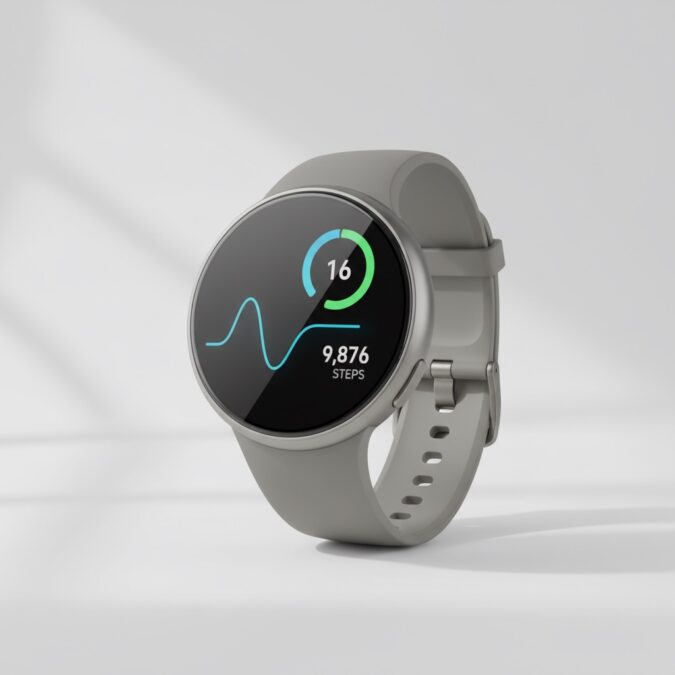
Smartwatches are no longer just fancy gadgets for tech lovers. Today, they are used by students, working professionals, fitness enthusiasts, and even senior citizens. From tracking health to receiving calls, smartwatches have quietly become part of everyday life.
Let’s understand smartwatches in simple language, without technical confusion.
What Is a Smart Watch?
A smartwatch is a digital watch that does much more than show time.
It connects to your smartphone and allows you to:
- See notifications
- Track health
- Count steps
- Make or receive calls (on some models)
- Control music
- Monitor sleep
Think of it as a mini smartphone on your wrist.
How Does a Smart Watch Work?
A smartwatch usually works by connecting to your phone via Bluetooth.
Once connected:
- Calls, messages, and app alerts appear on your watch
- Health data is collected by sensors in the watch
- Data syncs back to your phone for detailed viewing
Some advanced watches also support:
- Wi-Fi
- GPS
- Standalone calling (with eSIM)
Common Features of Smart Watches (Explained Simply)
1. Health Monitoring ❤️
This is one of the biggest reasons people buy smartwatches.
Most smartwatches can:
- Measure heart rate
- Track daily steps
- Count calories burned
- Monitor sleep quality
- Check blood oxygen (SpO₂)
Some premium models even offer:
- ECG monitoring
- Stress tracking
2. Fitness Tracking 🏃
Smartwatches help people stay active.
They can track:
- Walking
- Running
- Cycling
- Yoga
- Gym workouts
They motivate users with daily goals and reminders to move.
3. Notifications & Calls 📞
You can:
- Read WhatsApp messages
- See SMS alerts
- Know who is calling
- Answer calls directly (on supported models)
This is useful when your phone is in your pocket or bag.
4. Time, Alarms & Reminders ⏰
Apart from smart features, a smartwatch still works as a regular watch:
- Shows time and date
- Sets alarms
- Sends reminders
- Displays weather updates
5. Music & Camera Control 🎵📷
Many smartwatches let you:
- Control music playback on your phone
- Change tracks
- Control phone camera shutter remotely
Types of Smart Watches
1. Basic Smart Watches
- Affordable
- Focus on fitness and notifications
- Long battery life
- Ideal for beginners
2. Advanced Smart Watches
- Support calling
- GPS tracking
- App installations
- Touchscreen with smooth performance
3. Fitness Bands
- Lightweight
- Focus only on health and steps
- Smaller screen
- Budget-friendly
Battery Life: What to Expect 🔋
Battery life depends on usage:
- Basic watches: 5–10 days
- Advanced watches: 1–3 days
- Fitness bands: 7–14 days
Turning off GPS and always-on display can improve battery life.
Are Smart Watches Safe to Use?
Yes, smartwatches are generally safe for daily use.
Health sensors are non-invasive and designed for continuous monitoring. However, they should not replace medical devices—they are for awareness, not diagnosis.
Who Should Buy a Smart Watch?
Smartwatches are useful for:
- Office workers
- Fitness lovers
- Busy professionals
- People monitoring health
- Students
- Senior citizens (for step & heart monitoring)
If you want convenience and health awareness, a smartwatch is worth considering.
Things to Check Before Buying a Smart Watch
Before purchasing, consider:
- Battery life
- Compatibility with Android or iPhone
- Display quality
- Health features you really need
- Comfort and strap quality
- Price vs features
Final Thoughts
Smartwatches are no longer luxury gadgets. They are practical tools that help people stay connected, active, and health-aware.
Whether you want to track fitness, receive calls, or simply manage daily tasks better, a smartwatch can quietly improve your routine—right from your wrist.